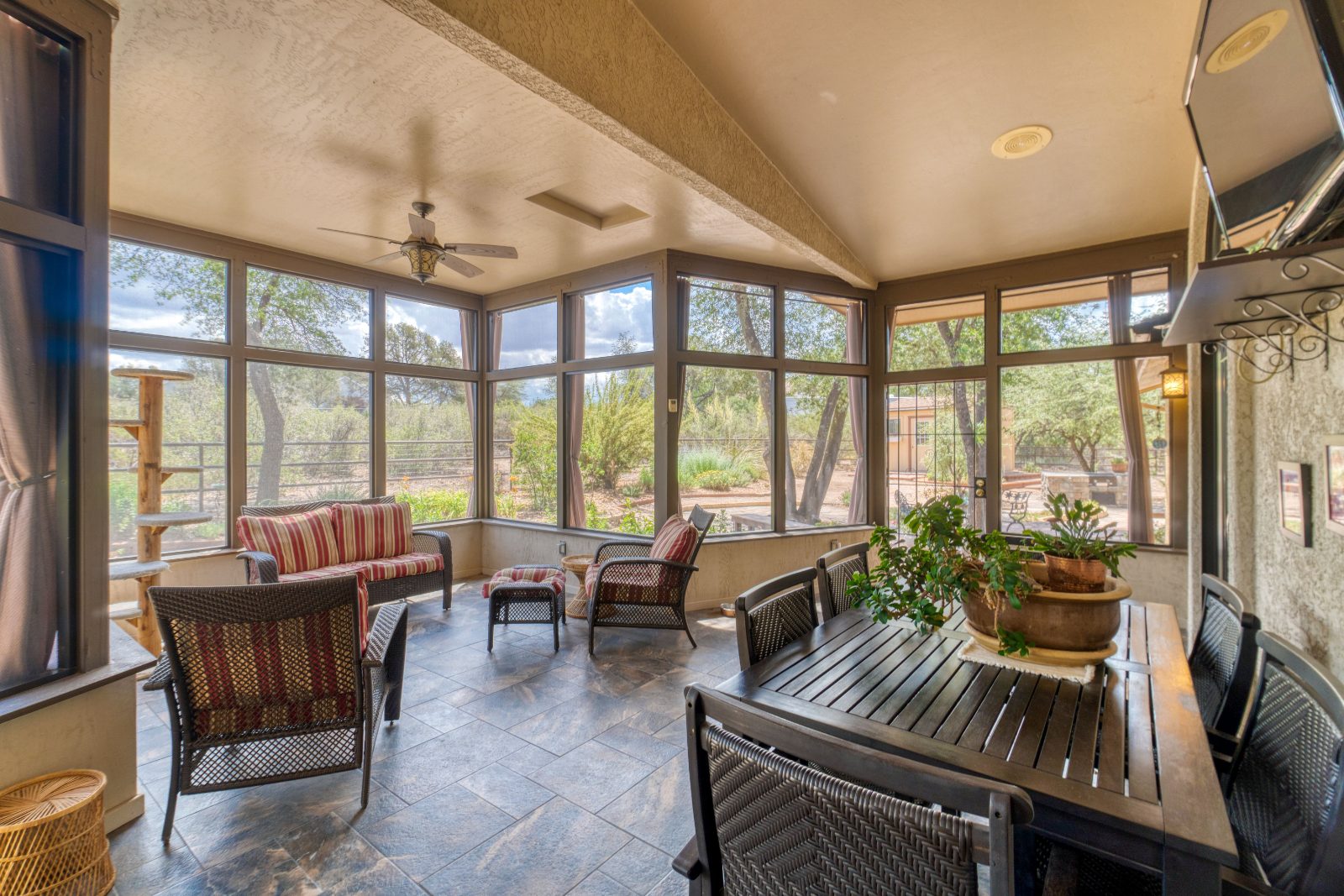
Screen enclosure companies in Tampa Bay live on two very different revenue lines. Rescreening and panel repair are small, frequent, easily comparable jobs that repeat for the same homeowner every several years. Full pool cage and lanai rebuilds are engineered, permitted, large ticket projects that surge after storms. Companies that do well build a repeatable system for the first and a deliberate plan for the second.
How homeowners search for screen enclosures
Repair searches dominate everyday volume: pool cage rescreening, screen repair near me, lanai screen replacement, plus material specific terms like no see um mesh and pet screen. Those buyers want a per panel or per square foot price and will call two or three companies until somebody gives them one. Rebuild searches look different. Pool enclosure replacement, pool cage cost and hurricane rated screen enclosure come from people making a large decision, often with an insurance claim open, and they research for weeks. After a named storm both search types spike together, volumes go vertical for several weeks, and homeowners call down the list until a company answers rather than waiting on a form.
What makes screen enclosures different
Few trades combine a high volume small repair and a permitted construction project this closely. Rescreening is essentially a database business, because ultraviolet exposure and salt degrade mesh on a fairly predictable cycle, so every past customer becomes a lead again on a known interval. Rebuilds require engineered drawings, wind speed compliance, permits and inspections, and they usually involve an adjuster, which slows the sale and puts a third party inside the conversation. Aluminum supply and skilled labor both tighten after a major storm, so lead times stretch and deposits become a trust question. Enclosure work also intersects with roofing, since tie ins, super gutters and tile roofs complicate jobs generalists underestimate.
The seasonal pattern in Tampa Bay
Hurricane season from June through November governs the year. A quiet season produces steady rescreening work and a normal rebuild pipeline. A single storm through the bay resets everything, generating months of backlog, a claim wave, and demand that outruns both aluminum and labor. Winter residents arriving between November and April are a second and more predictable wave, since many discover damage on arrival that has been sitting since late summer. Spring is the closest thing to a quiet period, and it is the right moment to work the rescreen database, sell preventive panel replacement, and build the intake system you will need in September when the phones stop behaving normally.
Where screen enclosure companies lose the job
- Phones and intake collapse in the first week after a storm, so the largest batch of work all year goes to whoever could still answer.
- Rescreening is quoted only after a site visit, while competitors publish per panel pricing and book the job on the first call.
- Rebuild pages never explain wind speed compliance, engineered drawings or the permit and inspection sequence, which is exactly what a nervous buyer is trying to understand.
- Deposits are taken without a written schedule during a backlog, and the resulting reviews outlive the storm by years.
What to measure
During a surge the number that matters is capture rate: how many inbound calls were answered and logged against how many were missed. Everything else is downstream of it. Outside a surge, track the reactivation rate on past rescreen customers, because that database is a renewable asset most companies never work properly. Track the revenue split between small repair and full rebuild, and the close rate on rebuild quotes separately, since claim involved sales close on a different timeline. Track days from enquiry to site visit, because in a backlog that is the number customers actually complain about.
Questions screen enclosure owners ask
How do I handle the phones after a storm?
Decide before the season starts. That means an answering service briefed on your intake questions, a simple form your office can work from, and a published lead time so callers are not phoning back daily for updates. Capture every call even when you cannot schedule it for two months, because a logged enquiry is still a job. Missed calls in that first week are the most expensive thing that happens all year.
Should I publish rescreening prices?
Publish a per panel range and say what moves it: height, mesh type, cage condition and access. Rescreen buyers are shopping a well understood service with comparable pricing, and the company that gives a number on the first call usually books the work. Holding the price back to force a site visit mostly costs you jobs that were never worth a visit in the first place.
Do homeowners actually care about wind ratings?
The ones buying a full rebuild do, particularly anyone who has watched a neighbor's cage come apart. They want to know what wind speed the structure is engineered for, what the permit and inspection process involves, and how it differs from the cage that failed. Explaining that plainly separates you from competitors who treat it as paperwork, and it justifies a higher price without an argument.
Companies that want the surge handled for them can review the screen enclosure marketing page.