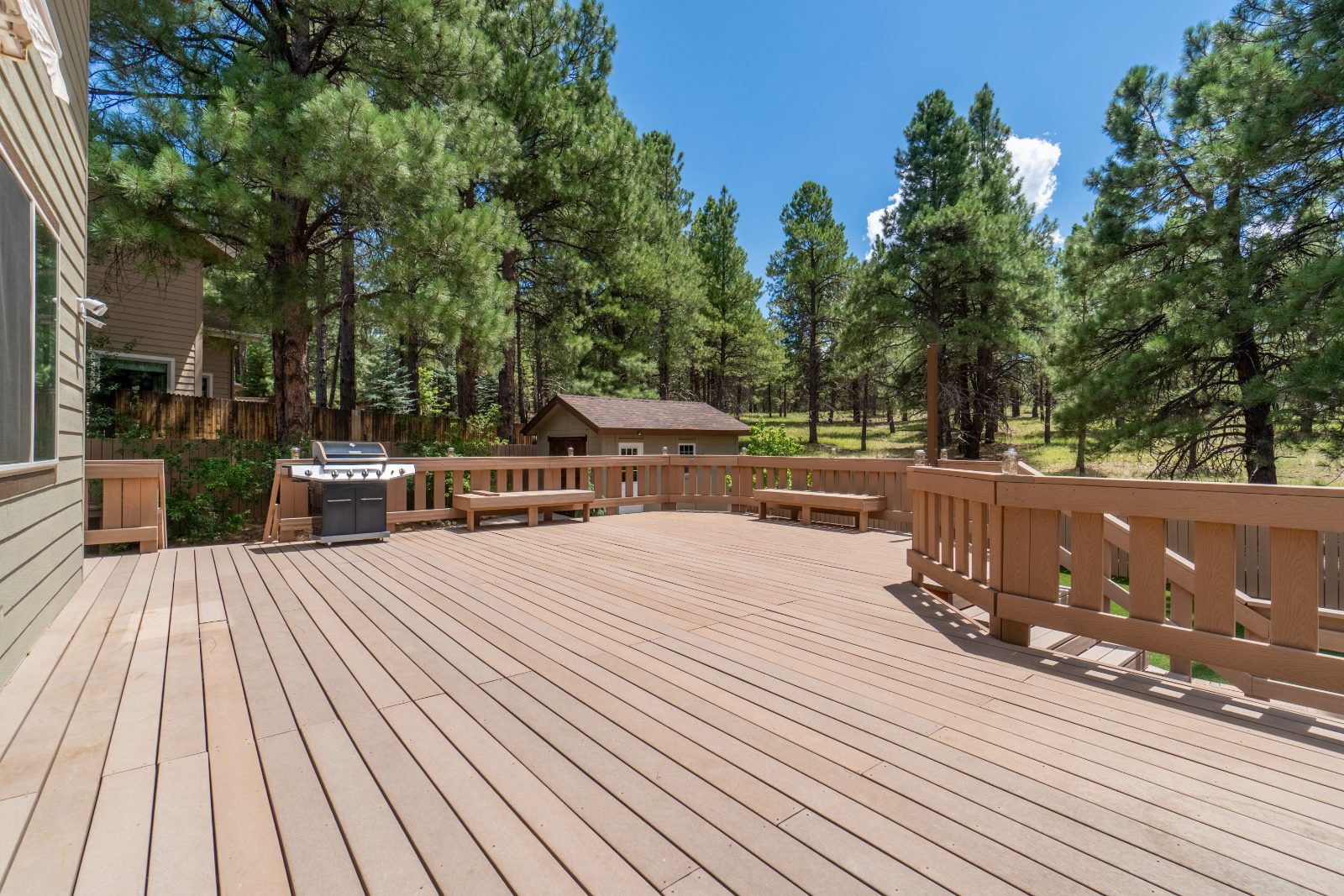
Outdoor living in Tampa Bay is a masonry and screen business more than a carpentry one. The typical project is a paver patio, a pool deck resurface, a screened lanai or a cage rebuild, not a raised wood deck. That changes how the work is sold. Material choice is driven by heat underfoot, moisture and salt air, and the homeowner is shopping a look and a permit-ready contractor at the same time.
How homeowners search for decks and patios
Planned work and storm work search completely differently. Planned buyers type "paver patio installer near me", "pool deck resurfacing", "travertine pool deck", "cool deck coating", and they browse images for weeks before contacting anyone. Pool owners rarely use the word deck at all; they search by pool. When they finally reach out, they usually request three or four estimates over a single weekend, mostly on a tablet or laptop at night. Storm work is the opposite: "lanai screen repair", "pool cage rebuild", "screen enclosure damage", typed on a phone the morning after weather moves through, with the buyer taking whoever can come look this week.
What makes decks and patios different
Tickets run from mid four figures for a paver patio to low five figures for a full pool deck, and screen cage rebuilds often run higher and pass through an insurance claim after wind damage. That insurance channel does not exist for a northern deck builder and is a real part of the business here. The project is one-time with a decades-long repeat cycle, so referral and neighborhood clustering carry the pipeline. Both spouses decide, the decision is aesthetic, and the approval loop is long. Permits, setbacks, pool barrier requirements and HOA architectural review all slow the sale. Home-improvement marketplaces compete by selling the same estimate request to several contractors at once.
The seasonal pattern in Tampa Bay
There are two curves stacked on each other. Planned outdoor living work peaks from October through May, when working outside is tolerable and winter residents are in town making decisions about the house. From June through September, heat and near-daily afternoon thunderstorms cost crews half days, pours get rained out and schedules slip, so planned volume softens. The second curve is storm driven. Hurricane season runs June 1 through November 30 with an August-to-October peak, and screen enclosures and pool cages take damage first, producing a wave of urgent repair work immediately after a system passes. Operators who keep a repair arm absorb that wave, use summer mornings for demo and base prep, and hold finish work for drier stretches.
Where deck and patio companies lose the job
- Portfolios full of raised wood decks, which read as out-of-market to a Florida pool owner shopping pavers and screen.
- No permit or HOA guidance built into the sales process, so the homeowner stalls at the approval step and the project quietly dies.
- Slow response on screen repair calls after a storm, which is the cheapest way in the region to meet a future pool deck customer.
- No answer to the first question every Florida pool owner asks, which surface stays cool enough to walk on barefoot, so the estimate collapses into a price comparison.
What to measure
Total lead count is misleading here because storm repair inquiries spike and drown out project inquiries in the same report. Separate the two before doing anything else. For projects, measure estimate-to-close and elapsed time from first contact to signed contract; a long cycle usually means follow-up is the bottleneck, not ad spend. Track average ticket by project type, since mix between a paver patio, a pool deck resurface and a cage rebuild moves margin more than volume does. Track how many estimates were lost during permit or HOA review, because that loss is fixable with process. Pull all of it from a CRM, not from ad platforms.
Questions deck and patio owners ask
Why do I get plenty of leads and sign so few?
Because this is a slow, aesthetic, two-person decision and most companies quote once and stop. Homeowners commonly take months, wait on a pool or a fence, and compare visual options. The fix is structured follow-up over that whole window, with design visuals rather than repeated price reminders. Companies that stay present through the deliberation period sign work that competitors already wrote off.
Is screen and cage repair work worth chasing?
It is, for two reasons beyond the revenue. Repair calls arrive urgently and in volume after storms, which fills schedule gaps during a season when planned work slows. More importantly, every repair puts a crew in the backyard of someone who owns a pool and will eventually resurface the deck. Treat those jobs as the front end of the higher-ticket pipeline rather than as a nuisance.
Should I advertise through the summer?
Yes, but change what you advertise. Summer buyers are researching for fall installs, so run visual, design-focused content aimed at planning rather than urgency, and be prepared to sell a scheduled date months out. Keep separate messaging live for storm repair, since that demand appears with no notice and rewards whoever is already visible when it does.
Our deck and patio marketing page picks up where this one stops and covers the campaign side of the work.