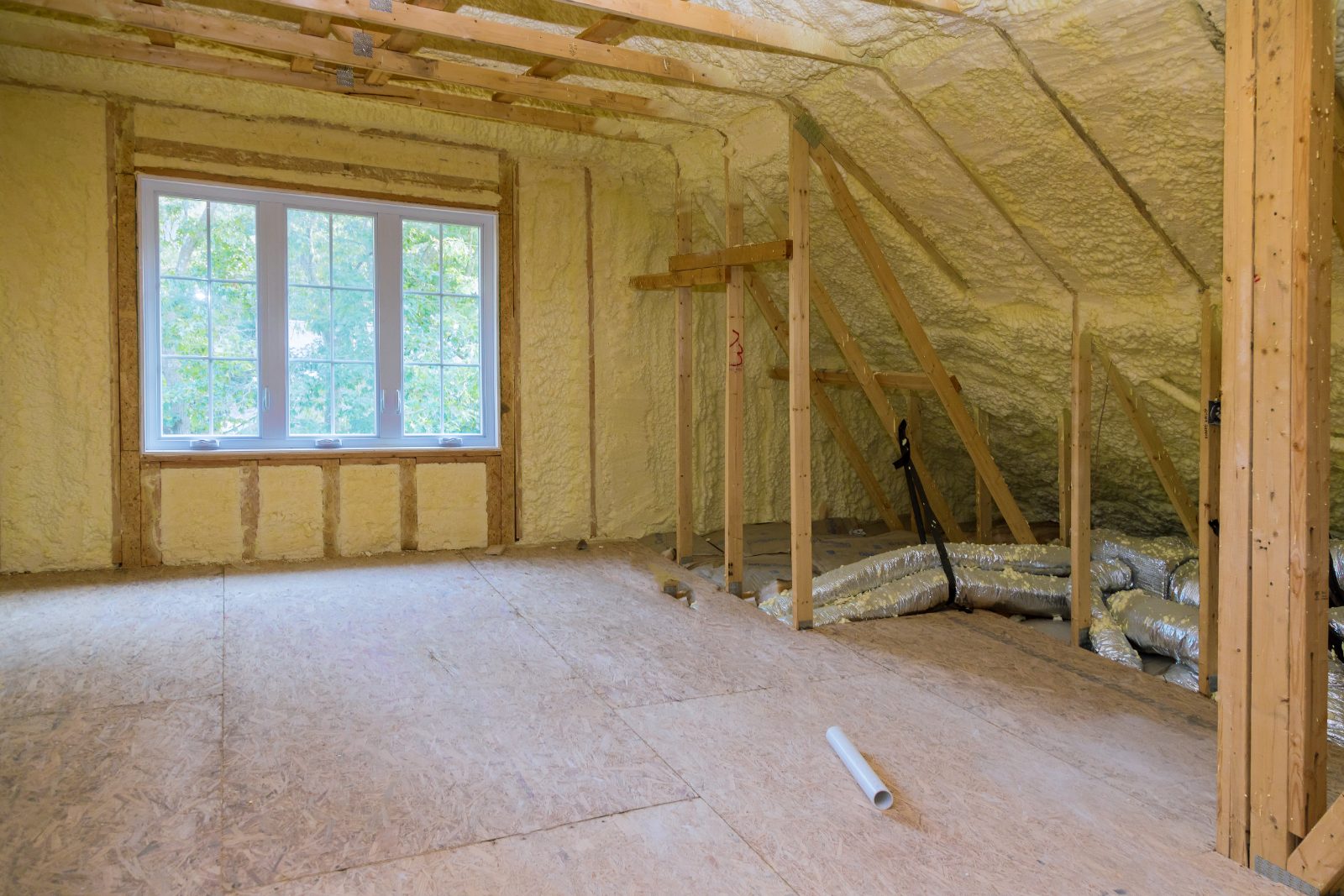
Insulation in Florida is a cooling problem, not a heating one. Homeowners here are not trying to hold warmth in. They are trying to stop a superheated attic from driving heat and humidity into conditioned space year round. That reframes the product mix toward attic levels, radiant barriers, duct insulation and air sealing, and it reframes the pitch, because what a Tampa Bay homeowner wants is a back bedroom that finally cools.
How homeowners search for insulation
Almost nobody wakes up wanting insulation. It is a consequence purchase that follows something else: a brutal summer electric bill, a room that never gets comfortable, an HVAC technician who mentioned the attic during a service call, or a roof replacement that exposed the deck. So a large share of the demand arrives as a symptom question rather than a product query. People type "why is my upstairs so hot", "attic insulation near me", "radiant barrier Florida", "blown in insulation cost", "duct insulation". That mix means informational content catches them earlier than ads do. Research runs over weeks on desktop, several estimates get collected, and a meaningful share of jobs never touch search at all because an HVAC or roofing contractor made the referral.
What makes insulation different
Tickets are low to mid four figures for an attic top-up and considerably higher for removal and replacement or foam. It is one-time work with a repeat cycle measured in decades, so there is no service base to lean on during a slow month. The product is invisible after installation, which is the central marketing problem: the homeowner cannot see what they bought, so documentation, measurement and before-and-after proof carry the sale in place of visible results. Utility and rebate programs shift over time and influence timing. Permits are limited. Referrals from HVAC, roofing and restoration contractors are a larger channel than in most trades, and the HVAC company upselling attic work is often the real competitor.
The seasonal pattern in Tampa Bay
Demand tracks cooling bills, and with no meaningful heating season there is no second peak to fall back on. The curve lifts with the first genuinely hot stretch in April and May, runs hard from June through September as bills land and upstairs rooms stop keeping up, and fades through October. Late fall and winter is the trough, and it is where Florida insulation companies either go quiet or get deliberate. That window is for attaching attic work to roof replacements, selling duct insulation and air sealing alongside HVAC changeouts, working the new-construction and remodel channel in a region absorbing constant in-migration, and reaching winter residents who are in the house and noticing humidity. Removal and replacement after roof leaks or rodent intrusion runs all year.
Where insulation companies lose the job
- Messaging borrowed from cold-climate marketing, promising warmth and winter comfort, which reads as imported and irrelevant here.
- No documentation of existing conditions, so there are no attic photos, no depth measurements and nothing showing the homeowner what is actually being bought.
- Ignoring ducts and air sealing, which is usually where the humidity complaint originates and where the second half of the ticket lives.
- No deliberate referral program with HVAC and roofing companies, whose technicians are standing in the attic long before you are.
What to measure
Raw lead count misleads badly here because a large share of inquiries are homeowners researching a symptom rather than buying a product. Split inquiries into symptom questions and product requests at intake and measure conversion on each separately, or the research traffic will make the whole channel look broken. Then track estimate-to-close and average ticket, since a job that adds duct insulation and air sealing is worth several bare attic top-ups. Track contractor referrals by partner name, because that channel is measurable and most companies never tally it. Track follow-up after the first hot month, when the proof point exists.
Questions insulation owners ask
My phone goes quiet in December. What do I do with the winter?
Change what you sell rather than waiting. Winter is when roofing crews are busiest and attics are open, when HVAC changeouts are being planned, and when remodels and new construction are moving. It is also when winter residents are in their houses noticing humidity. Build the contractor referral channel in that window, because the relationships you form in January decide how busy July looks.
Should I lead with energy savings?
Lead with comfort and humidity, and let savings support it. Savings claims invite skepticism, vary with the house and the rate, and you cannot honestly promise a number. Comfort is different: a specific hot room, an air conditioner that never cycles off, a sticky feeling in the afternoon. Those are things the homeowner already noticed. Naming their exact complaint converts better than any figure would.
How do I get HVAC and roofing companies to send me work?
Make it easy and make it reciprocal. Their technicians are in attics daily and already see the problem, so give them something simple to hand over, respond fast when they call, and never quote around them to their customer. Send work back where you can. This channel is built account by account through consistency, and it is the most stable source of jobs in the trade.
For what a campaign built on that cooling-load story looks like, read our insulation marketing page.