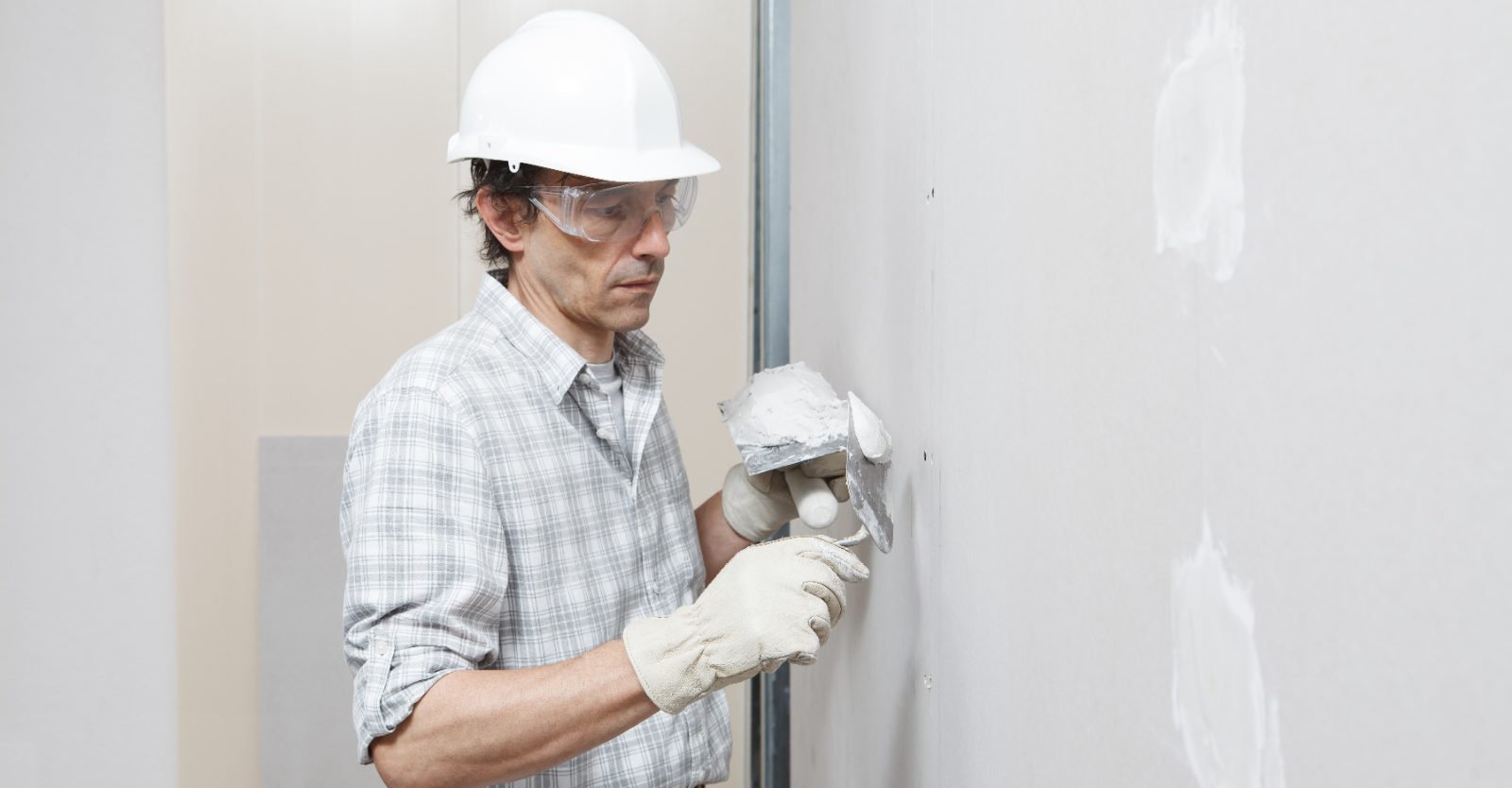
Most drywall revenue in Tampa Bay comes from other businesses, not from homeowners. Builders, remodelers, restoration firms and property managers hand out the volume, and they pick crews on capacity, schedule reliability and finish quality rather than on a search result. Consumer search still matters, but it feeds a second, smaller business: patch and repair work, and the water-damage jobs that follow every wet season.
How homeowners search for drywall
Homeowner searches are small, urgent and mobile. They type what they see rather than what they need: "ceiling water stain repair", "hole in wall repair near me", "drywall patch after leak", "popcorn ceiling removal". Many arrive with a photo already taken and expect to send it. They call two or three numbers, take the first company that answers with a price range and a day, and decide within hours. The other search stream is not a homeowner at all. Superintendents and remodelers search "drywall subcontractor" or "drywall contractor" plus a city, on desktop, during business hours, and they are screening for crew size and commercial work rather than for a fast quote.
What makes drywall different
Two businesses run under one license. Production hanging and finishing is bid by the square foot on builder contracts, carries thin margins, and gets paid on draw schedules with retainage and long payment cycles. Repair work runs from a few hundred to a few thousand dollars, gets paid on completion, and earns far more per crew hour. The decision-maker differs too: a superintendent or project manager on the commercial side, and on the repair side often a homeowner working through a water claim or a restoration contractor who already controls the loss. Drywall usually rides under someone else's permit. National lead sellers are weak here; the real aggregator pressure is on the repair side.
The seasonal pattern in Tampa Bay
Drywall is an interior trade with no weather shutdown, so the curve is driven by water rather than temperature. Atlantic hurricane season runs June 1 through November 30 and peaks from August into October. Wind-driven rain and roof failures push a repair wave that lands weeks behind the storm itself, once restoration crews have dried the structure and the tear-out is done. Near-daily summer thunderstorms produce a smaller version of the same thing all season. High humidity also stretches drying and cure times, so summer schedules need more float than crews from drier states expect. The trough is late winter and spring, and that is when to court builder, restoration and property-manager relationships and to push interior remodel work while winter residents are in town.
Where drywall companies lose the job
- A site that shows only homeowner patch photos, so a superintendent screening subs cannot tell whether the crew can hang a multi-unit building.
- Slow response on repair calls, when a homeowner staring at a stained ceiling books whoever picks up first.
- No stated minimum charge or service radius, so crews burn a day driving to small patches spread across three counties.
- Nothing anywhere about the water-damage channel, so restoration firms and adjusters never learn the company works that way.
What to measure
Cost per lead is the wrong headline number for this trade. Repair leads are cheap and small, while a single builder or restoration relationship can outweigh a year of them. Track revenue by channel instead: builder and general contractor, restoration referral, and direct homeowner. Track gross margin per crew day rather than per job, because a full day of production work and a day of chasing patches look nothing alike. On the consumer side, track answer rate and booked rate on inbound calls, with call tracking on the consumer number only. Track repeat volume from each commercial account, since that predicts next year better than any lead metric.
Questions drywall owners ask
Is it worth marketing at all if builders give me most of my work?
Yes, but for a different reason than most owners expect. Builder work is relationship-driven, and the website's job there is credibility: crew size, completed commercial projects, insurance and licensing, and evidence of hitting schedules. Homeowner marketing is a separate machine aimed at fast, high-margin repair work. Running both is fine. Running one set of messaging for both is what fails.
How do I get in front of water-damage and restoration work?
Most of it never touches a search bar. Restoration companies, plumbers and roofers control the loss and hand off the rebuild. Being findable helps you get called after the first job goes badly for someone else, but the durable version is direct: be reachable, quote the rebuild scope quickly, and show on your site that you work inside insurance timelines. That is the language that channel screens for.
Should I take small patch jobs?
Only with a minimum charge and a tight radius. Patches are useful because they generate reviews, referrals and remodel leads at low cost, and because they keep a small crew productive between larger phases. They become a problem when a truck crosses Tampa Bay for one hole in a wall. Set a floor, publish it, and route the work geographically rather than first-come.
The companion page on drywall marketing covers how a campaign gets built around those two very different channels.