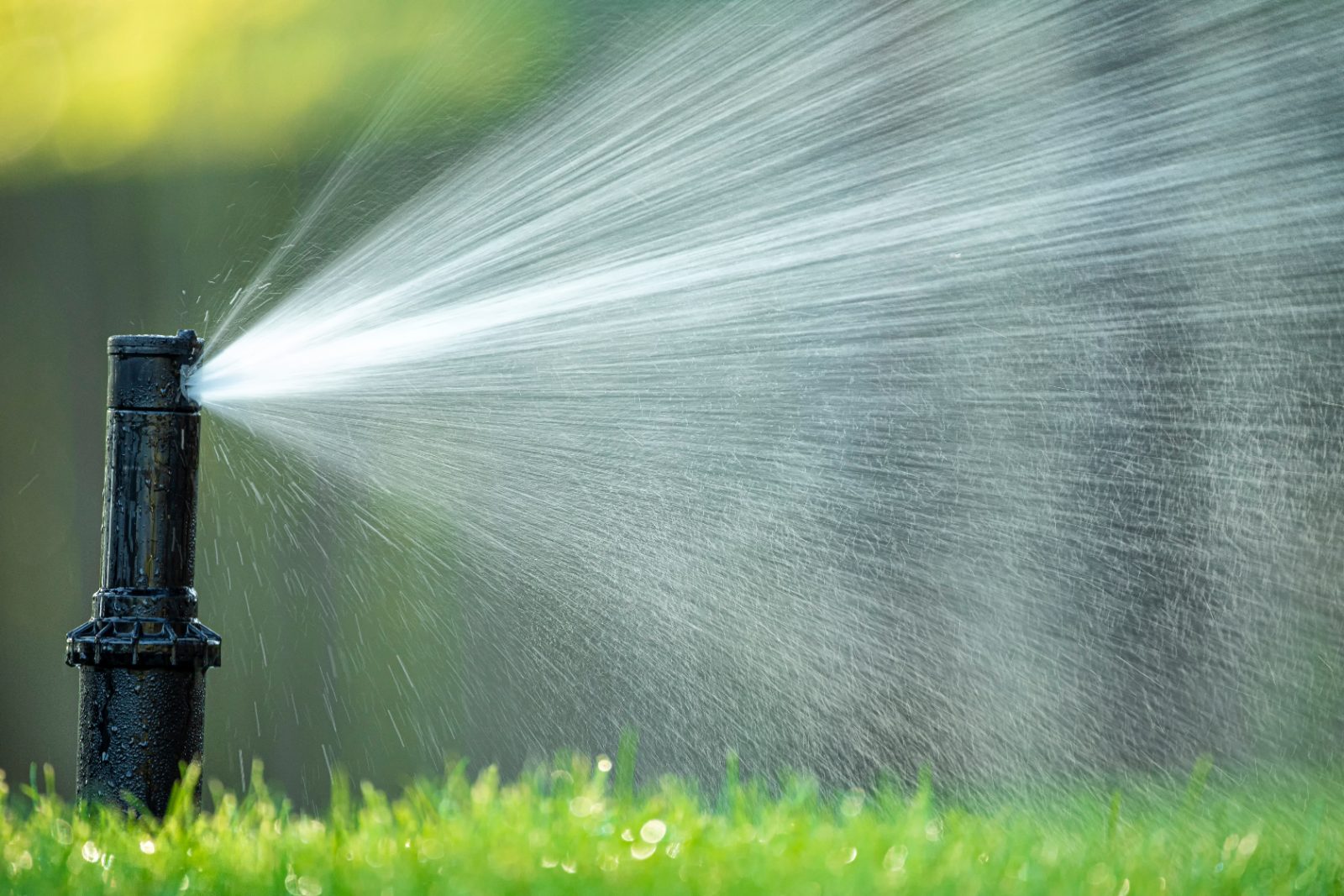
Irrigation in Tampa Bay runs twelve months a year, which makes it a fundamentally different business from a northern sprinkler company. There is no blowout, no spring startup and no forced annual touchpoint with every customer on the list. Systems run all year, fail all year and waste water all year, under watering-day restrictions set by the regional water management district and enforced by cities and counties. The work is maintenance, repair and efficiency, not a seasonal cycle.
How homeowners search for irrigation and sprinklers
Two intents, and they behave nothing alike. Urgent searches read like symptoms: "sprinkler repair near me", "sprinkler head leaking", "irrigation zone not working", "sprinkler running at night". They are usually triggered by a water bill, a soggy patch of yard, or a warning about watering on the wrong day. Those callers are on a phone, they try two or three companies, and they book whoever can come this week. Planned searches look like "irrigation system installation cost", "smart sprinkler controller", "reclaimed water hookup", and run over weeks. Because in-migration into Tampa Bay is heavy, a large share of searchers inherited a system they did not install and do not understand.
What makes irrigation and sprinklers different
Small tickets, high frequency. A repair call is a couple hundred dollars while a full install runs into the thousands, so the business is decided by how many of those small calls become ongoing accounts. Recurring service is where the margin and the relationship live: quarterly checks, controller programming, and adjusting run times as rainfall patterns shift through the year. That is the Florida replacement for what a northern company gets free from winterization. Here the touchpoint has to be sold, not received. Regulation is part of the pitch, since watering-day rules, rain sensor requirements and backflow testing are compliance a homeowner cannot navigate alone. Lawn services and landscapers both refer this work and compete for the simple repairs.
The seasonal pattern in Tampa Bay
Two peaks, and neither involves a freeze. Spring, roughly March through May, is the dry stretch: lawns stress, systems finally get run hard, and months of accumulated failures surface at once. That is the biggest repair window of the year. Summer inverts it, because near-daily afternoon thunderstorms mean systems should be running less, and the calls shift to rain sensor failures, controller faults and lightning damage, which is a genuine and recurring repair category in one of the most lightning-prone regions in the country. Hurricane season adds pump and wiring damage. Late fall and winter are slower for repair, which makes them the right window for installs, controller upgrades, reclaimed water conversions where a community offers it, and selling annual service agreements to winter residents while they are in town.
Where irrigation companies lose the job
- Completing one-off repairs and never converting them into a service agreement, which leaves the recurring revenue on the table permanently.
- Saying nothing about watering restrictions and compliance, when that anxiety is what prompted a large share of the calls.
- No same-week availability stated anywhere, so a homeowner watching water run down the driveway books whoever answers first.
- Treating a new arrival who inherited an unfamiliar system as a single repair ticket instead of the start of a multi-year account.
What to measure
Cost per lead flatters this trade, because repair leads are cheap and the tickets attached to them are small. The number that decides the year is the conversion rate from a first repair call into a recurring service agreement, followed by retention on those agreements. Track revenue per customer per year rather than per job. Track average ticket by call type, separating repair, zone rebuild, controller upgrade and full install, because the mix determines whether a truck is profitable. Track first-call resolution and how often a technician returns to the same zone, since callbacks quietly eat a route. Source all of it from field service software tagged at booking.
Questions irrigation owners ask
How do I build recurring revenue without winterization?
You sell the touchpoint that northern companies get automatically. A quarterly system check that adjusts run times, verifies the rain sensor, confirms watering-day compliance and catches leaks early is a genuine service in a twelve-month watering market. Offer it at the end of every repair, while the customer is standing there and the value is obvious. That single habit changes the shape of the business more than any advertising will.
Is it worth advertising in the summer when it rains almost daily?
Yes, but change the offer. Summer demand is not about dry lawns, it is about systems watering when they should not: failed rain sensors, controllers scrambled by lightning, and bills that jump for no visible reason. Market efficiency, sensor checks and storm damage repair instead of irrigation coverage. The volume is there, it just answers to a different complaint than the spring peak does.
Should I market reclaimed water conversions?
Only where the infrastructure actually exists, since availability varies street by street across Tampa Bay communities. Where it is offered it is a strong hook, because it addresses both cost and restriction anxiety at once. Build content around specific neighborhoods that have access rather than a general page. A homeowner who does not know whether their street qualifies is a real search need almost nobody serves.
A working version of this strategy is laid out on our irrigation marketing page.