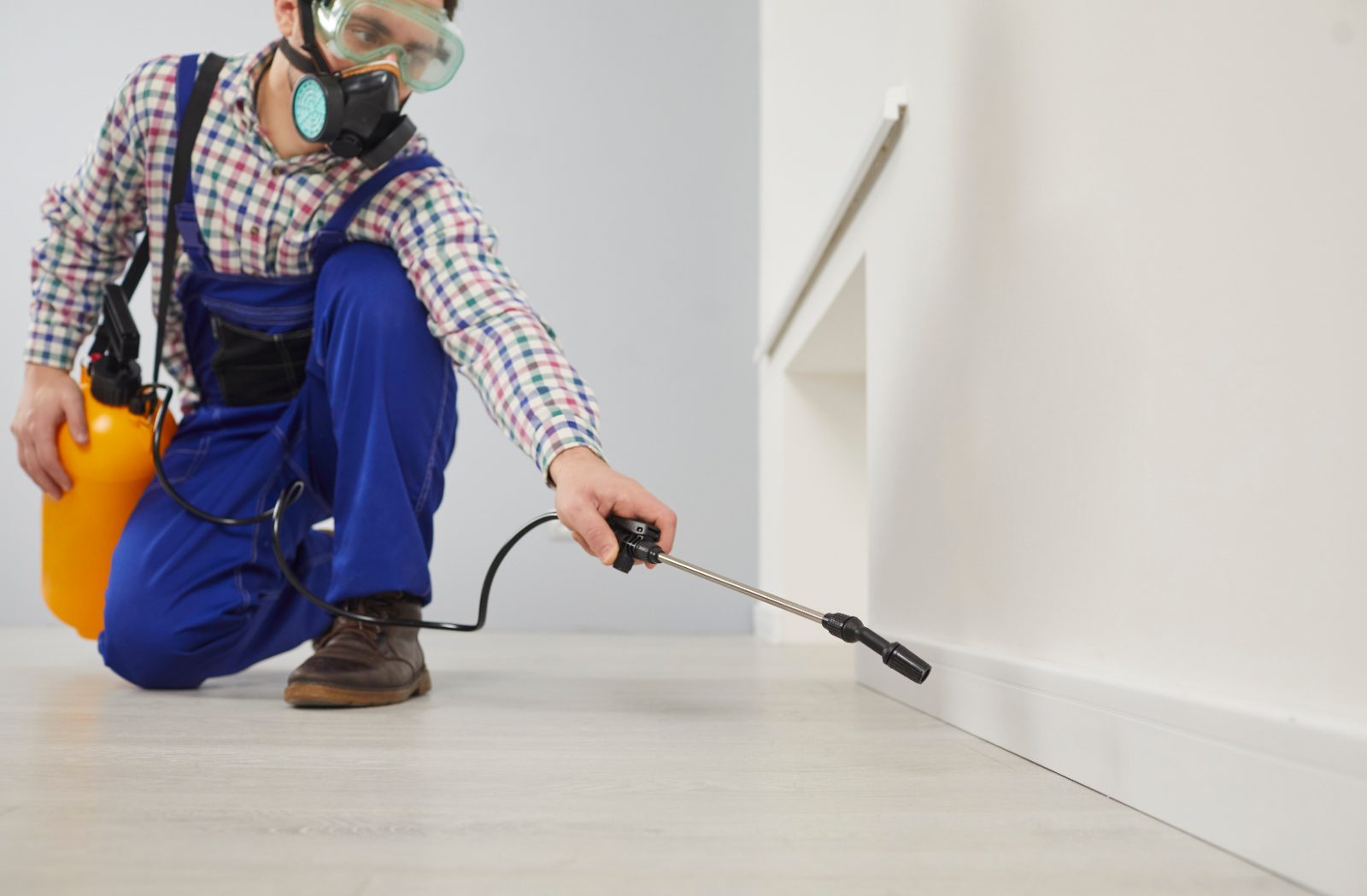
Pest control in Tampa Bay is a contract business, not a call business. Nothing dies off in winter here, so the pressure is continuous and one-time treatment fails as a model. The economics live in recurring quarterly or monthly service and in termite protection, which means marketing has to be judged on how many retained accounts it produces rather than how many phone calls it generates.
How homeowners search for pest control
Searches are almost always triggered by a sighting, and the insect is the query. "German roach", "ants in kitchen", "termite swarmers", "mosquito service", "rodent in attic". Those are urgent and mobile, and the caller wants somebody out this week. Volume rises with rain, because heavy summer downpours push ants and roaches indoors, and swarm events produce concentrated spikes lasting only days. A second pattern is the recurring-service search: "pest control plans", "quarterly pest service cost", usually from new arrivals who have just discovered what Florida insect pressure means. Those searchers compare two or three companies, care about contract length and cancellation terms, and convert well when pricing is transparent.
What makes pest control different
Pest control is the only trade on this list with genuine subscription economics. An individual service call is small, but a household on quarterly service for six years is worth many times a single high-ticket job in another trade, and the value compounds when termite protection, mosquito service and lawn and ornamental treatment attach to the same account. Retention and attachment are the whole game. The competitive field is unusual as well, since large national and regional brands with heavy advertising budgets sit alongside independents, and brand recognition carries more weight here than in the mechanical trades. Applications require state licensing, and termite work involves warranties and renewal obligations with real liability attached. Homeowners also ask about pets, children and chemistry.
The seasonal pattern in Tampa Bay
There is no die-off, and that is the defining fact of the business. Pressure never resets, so a customer who cancels in January has an active problem by April rather than a quiet season. Activity does modulate. The wet months from June through September drive roaches and ants indoors and push mosquito service to its peak, while subterranean termite swarms typically cluster in spring and drywood swarms run through the warm months. Rodent activity ticks up in the cooler weeks as animals seek shelter, and lawn insect damage runs all summer. Winter residents add a second rhythm, since properties closed for months come back with problems. The trough is shallow, and the right move in it is renewals and attachment, not discounting.
Where pest control companies lose the job
- Advertising points at one-time treatments, so acquisition cost has to be recovered on a single small ticket instead of a multi-year account.
- The plan page hides pricing and contract terms, which is exactly what the comparison shopper came to find.
- Nothing addresses pets, children or treatment chemistry, so a parent chooses the company that did.
- Accounts cancel quietly after the third or fourth visit and nobody tracks the reason.
What to measure
Cost per lead is the wrong lens for a recurring trade. Measure cost to acquire a retained account, average account tenure, and monthly churn, and treat churn as the primary health metric. Track attachment rate, meaning the share of general pest accounts that add termite, mosquito or lawn and ornamental service, because that is where account value doubles with no new acquisition spend. Separate one-time treatment revenue from recurring revenue in every report so the mix stays visible. Watch renewal rate on termite warranties specifically. If lead volume rises while tenure falls, the marketing is working and the service is not.
Questions pest control owners ask
Is it worth advertising one-time treatments at all?
Yes, as an entry point priced accordingly. A homeowner with an active roach problem is not shopping for a plan, they want it gone. Convert them on the follow-up visit, when the problem is solved and the technician can explain that the pressure outside never stops. Judge that campaign on how many recurring accounts it produces within sixty days, not on treatment revenue.
National brands outspend me everywhere. How do I compete?
On specificity and service area. The national advertiser is generic by necessity, while you can name the neighborhoods you cover, the pests that actually show up there, and the same technician arriving every quarter. Reviews naming your technicians beat brand recall for a homeowner deciding who gets a key to the side gate. Local proof is the one axis a national budget cannot buy.
Should I put pricing on the website?
For recurring plans, yes, at least a starting range. Those searchers are comparing, and a company that refuses to give a number gets skipped rather than called. Termite work and heavy infestations are genuinely variable and can stay quote-based, but hiding the routine plan price behind a form costs more leads than it protects.
When the research phase is over, our pest control marketing page picks up from here.