

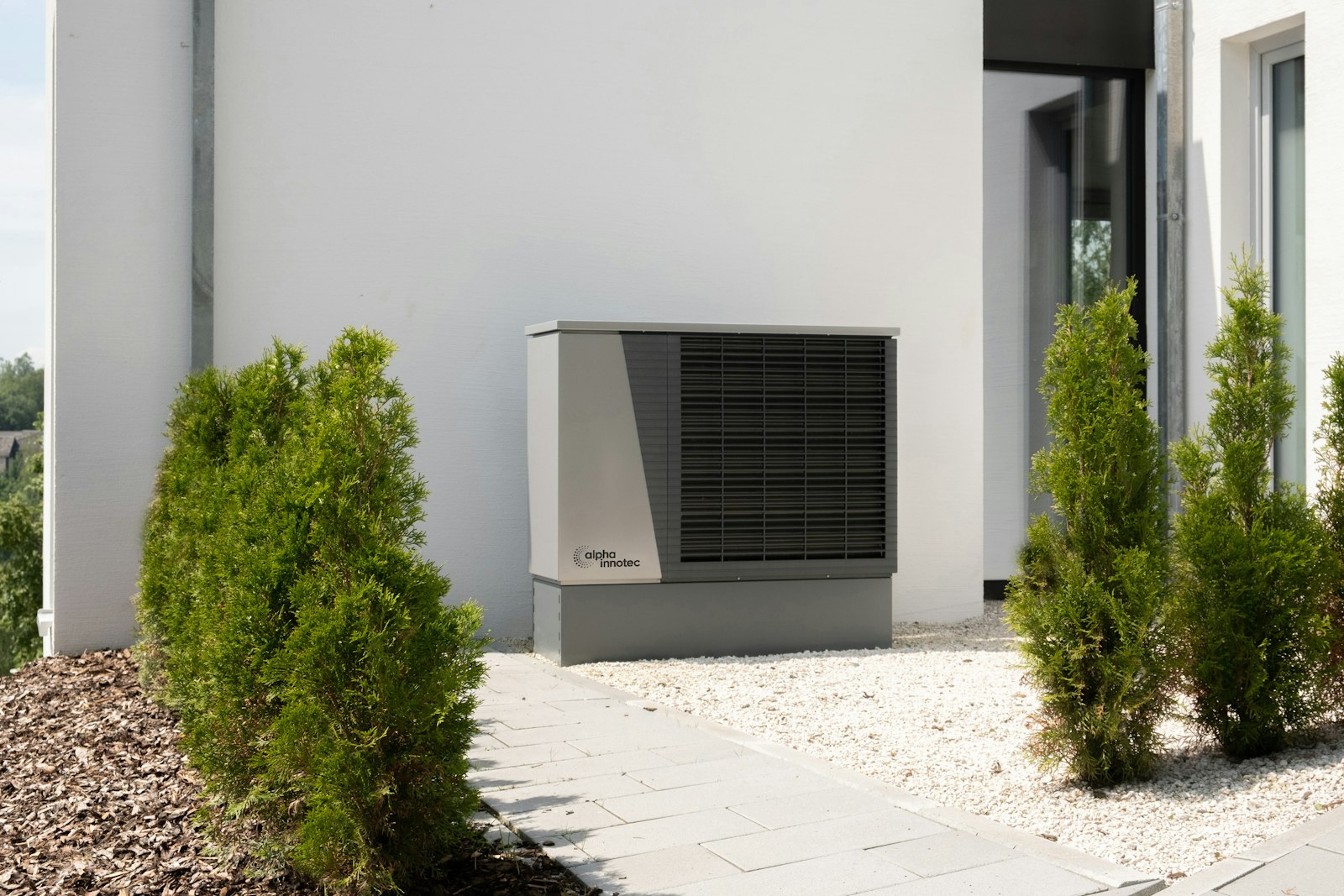
It is 2:40 on an August afternoon in Wesley Chapel. The heat index is pushing 105, a family’s air conditioner just quit, and the homeowner does exactly what nine out of ten homeowners now do: they pull up Google, tap the top three companies, and start calling. The first company that a real human answers — or that texts back within a minute — is almost always the one that gets the appointment. The other two get a voicemail nobody returns until 6 p.m., long after the job is booked somewhere else.
Here is the uncomfortable truth: most Wesley Chapel HVAC companies do not lose leads to a weak website, a thin Google Business Profile, or a competitor’s ad budget. They lose them in the first five minutes after the phone rings — to a missed call, a slow callback, or a lead form that sits unread. Fix your speed-to-lead and you will book more jobs this week without spending another dollar on traffic.
The five-minute window that decides who wins the job
This is not a motivational slogan. It is one of the most replicated findings in sales research. The Lead Response Management Study, led by Dr. James Oldroyd (then at MIT’s Sloan School and later Kellogg) and built on more than 100,000 call attempts across 15,000-plus leads, found that the odds of reaching a new lead if you call within 5 minutes rather than 30 minutes are 100 times higher — and the odds of qualifying that lead are 21 times higher. Wait an hour and both collapse.
Harvard Business Review reached the same conclusion in its audit of 2,241 U.S. companies, published as “The Short Life of Online Sales Leads.” Firms that tried to make contact within an hour of a web inquiry were nearly seven times more likely to have a meaningful conversation with a decision-maker than those that waited just one hour longer — and more than sixty times more likely than firms that waited a day. The kicker: the average first response in that study took 42 hours, and 23% of companies never responded at all. Home-services demand moves even faster than that data set, because a broken AC is an emergency and the homeowner is dialing competitors in the same breath.
Speed-to-lead is the single cheapest lever a contractor owns. Every other channel — Local Service Ads, the map pack, reviews, AI search — exists to make the phone ring. Answering it faster than the shop down US-54 costs nothing and compounds every lead you already pay for.
Where Wesley Chapel HVAC companies actually lose the call
When we audit a contractor’s lead flow, the leaks are almost always the same four:
Missed calls that never get a callback. Between rides in the truck, jobs in an attic, and the front desk at lunch, a busy shop routinely lets a chunk of inbound calls go to voicemail. Industry call-tracking data consistently shows home-services businesses miss a meaningful share of inbound calls, and the majority of callers who hit voicemail simply hang up and dial the next name on Google. A missed call in this trade is not a message — it is a booked job at your competitor.
Web-form leads that sit for hours. The “contact us” form and the Google Business Profile message both feel less urgent than a ringing phone, so they get checked at the end of the day. By then the five-minute window closed hours ago.
After-hours and weekend blackouts. A large share of AC failures happen at night and on weekends — exactly when the office is dark. If a live person or an instant text does not respond, that lead is gone by morning.
No system, only heroics. When speed depends on whoever happens to be near a phone, it is inconsistent by design. Consistency comes from a system, not from good intentions.
Speed-to-lead, defined
Speed-to-lead is the elapsed time between a prospect raising their hand — a call, a form fill, a Google Business Profile message, an LSA lead — and your first genuine, two-way response. The benchmark that wins home-services jobs is a live answer or an automated text-back inside five minutes, twenty-four hours a day. Here is how the odds move as that clock runs, based on the Oldroyd data:
| Your response time | What happens to the lead |
|---|---|
| Under 5 minutes | Best odds of reaching and qualifying the lead — the benchmark to hit |
| 5 vs. 30 minutes | Odds of reaching the lead fall roughly 100x; odds of qualifying fall about 21x |
| Over 1 hour | Nearly 7x less likely to have a real conversation than an under-1-hour response |
| Over 24 hours | More than 60x less likely to connect — the lead is already booked elsewhere |
The missed-call text-back system that recovers the job
You do not need to hire a night receptionist to win the five-minute window. You need a simple, automated system layered on top of the phone number and forms you already use. This is the exact build we put in place for contractors, and it runs on tools like GoHighLevel:
- Automatic missed-call text-back. The instant a call goes unanswered, the caller gets a text within seconds: “Sorry we missed you — this is [Company]. Is this about AC service in Wesley Chapel? Reply here and we’ll get you scheduled.” You have now started a conversation the competitor’s voicemail never will.
- Instant form and LSA follow-up. Every web form, Google Business Profile message, and Local Service Ads lead triggers an immediate text and email, plus an alert to a real person’s phone — not a shared inbox nobody watches.
- A two-way texting inbox. Most homeowners would rather text than talk. Give them one thread where they can send a photo of the thermostat and pick a time, and your booking rate climbs.
- Speed-based routing. If the first person does not respond in two minutes, the lead escalates to the next. Nothing sits.
- After-hours coverage. Automated text-back and a booking link run 24/7, so the 11 p.m. AC failure becomes a 7 a.m. appointment instead of a competitor’s morning.
None of this replaces a great technician or an honest quote. It simply makes sure you are the company in the conversation when the homeowner is ready to book — which, in this trade, is almost always right now.
What to measure once the system is live
You cannot fix what you never look at. Three numbers tell you whether your speed-to-lead is winning: your call answer rate (the percentage of inbound calls a human picks up live), your average first-response time across calls, forms, and LSA leads, and your speed-to-lead by source so you can see whether your paid Local Service Ads leads — the ones you pay Google for — are getting answered faster than your free organic ones. Track these weekly. A shop that moves its call answer rate from the 60s into the 90s and its response time from hours to minutes will feel it in booked jobs before it feels it anywhere else.
Frequently asked questions
What is a good speed-to-lead time for an HVAC company?
Aim to make first contact within five minutes, every hour of every day. Research from the Lead Response Management Study found the odds of reaching a lead are about 100 times higher at five minutes than at thirty, and roughly 21 times higher for qualifying the lead. For emergency trades like HVAC, where a homeowner is calling several companies at once, a live answer or an automated text-back inside five minutes is the standard that wins the job.
How many calls do home-services companies actually miss?
Enough to matter to your revenue. Between technicians in the field and a front desk that cannot be on the phone every minute, most contractors let a meaningful share of inbound calls go to voicemail, and call-tracking studies consistently show that the majority of callers who reach voicemail hang up and dial the next company rather than leave a message. In HVAC, a missed call during a heat wave is usually a job you just handed to a competitor.
Does a missed-call text-back really book more jobs?
Yes, because it starts a conversation the moment a call is missed instead of hoping the caller leaves a voicemail and waits. An automated text sent within seconds of an unanswered call catches the homeowner while they are still deciding who to hire, and most people find it easier to reply to a text than to make a second call. It is one of the highest-return, lowest-cost systems a Wesley Chapel HVAC company can put in place.
Is speed-to-lead more important than SEO or Google Ads for a contractor?
They work together, but speed-to-lead protects everything else. SEO, the Google map pack, reviews, and Local Service Ads all exist to make your phone ring; if those leads are not answered fast, that spend leaks out the bottom. Fixing response time is usually the fastest way to get more booked jobs from the exact same amount of traffic, which is why we address it before pouring more money into demand generation.
What tools do I need to respond to leads faster?
A CRM with automation — GoHighLevel is a common choice for home-services companies — plus call tracking, missed-call text-back, and two-way SMS. The goal is that every call, web form, Google Business Profile message, and Local Service Ads lead triggers an instant response and a real alert to a person, with automated coverage after hours so no lead sits until morning.
The bottom line
Your next ten jobs are probably already calling you — you just are not answering fast enough to book all of them. Before you spend another dollar driving traffic, close the five-minute gap between a homeowner raising their hand and your first response. It is the cheapest growth lever in your business and the one your Wesley Chapel competitors are ignoring right now.
Keep reading
See where you stand: get a free AI visibility audit and find out whether Tampa Bay homeowners can find you in Google and AI search.
Quo: Text back HVAC callers fast from one business number when you miss a call.
Vida: An AI agent answers HVAC calls and texts day and night so leads do not wait.